


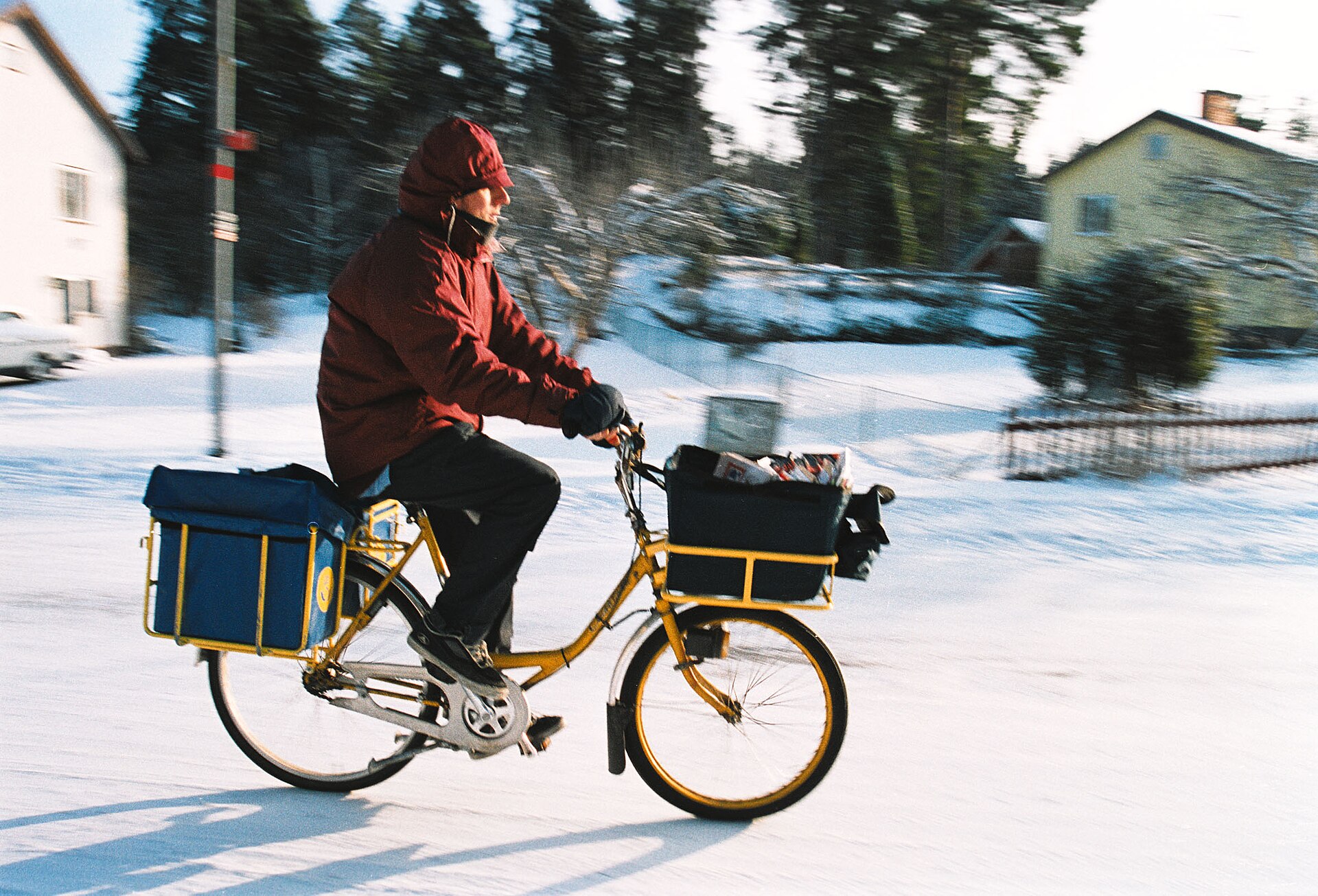
This year’s winter in Cleveland has been like no other. The snow is now piled high, salt is running low, yet through all of this, you might catch a glimpse of me riding my 1997 green Specialized to class. Myself and a small collection of other determined riders on campus still love using the most efficient and fun transportation method on Earth, even when it’s below freezing. Most of you will just call me crazy, I get that. However, for those readers who are intrigued, for those who love cycling but always choose to stow away their bikes in the winter: Read on.
Winter gloves or mittens are a must have for winter cycling. If you forgo these, you will be absolutely torturing your hands with the frigid air that rushes over your handlebars. I personally prefer gloves over mittens, because I find it easier to hit the brake levers with gloves. Another advantage with gloves is that you can get ones that have a pouch to insert a handwarmer.
A coat is not necessary when cycling in the winter, and it actually makes the experience much worse. After just one or two minutes of pedaling your core will heat up, so if you wear a coat you’ll end up extremely sweaty. Even in the coldest winter weather, I only wear a hoodie.
Protecting your neck is essential, but a scarf would fly all over the place in the wind. Therefore, I’d recommend wearing a buff. If you haven’t seen one before, it’s a piece of elastic fabric that wraps tightly around your neck. And that’s all your neck should need, since you simply need to prevent air from blowing across your skin.
To wear a helmet, or not to wear a helmet? Wintery conditions complicate the situation. Opting for a helmet rather than a warm winter hat will certainly make your ride much colder. Helmets are designed to maximize airflow, which is great in the summer but horrible in the winter. However, you are more likely than ever to suffer a fall during the winter, so from this perspective continuing to wear a helmet in the freezing cold is even more important than usual. Using creative clothing choices you can get the best of both worlds—warmth and safety.
Safety in harsh winter conditions doesn’t end with appropriate clothes and gear—performing preventative maintenance is necessary to keep your bike safe and reliable. Working on a bike is just about the last thing students want to do when they’re already stressed about tests. However, it cannot be understated how important it is to maintain your bike. You can prevent most catastrophic issues—which could easily lead to crashes—just by regularly inspecting your bike’s components each time you ride. There isn’t an easily accessible bike shop on or near campus, so it’s up to you to keep your bike in working condition. Your bike will require even more maintenance during the winter, though I would argue it’s still a manageable amount of work, even during the busiest times of the semester. Here’s the key things that winter conditions change about bike maintenance.
Fenders are by far the best way to reduce the amount of work it takes to keep a bike in good condition. They stop dirt, water, snow, and salt from getting kicked up by the wheels and splattering the bottom side of the down tube. Fenders also protect your butt from getting coated by whatever is on the road. If your bike doesn’t have fenders, your down tube and other sections of the frame will get coated with road salt. Salt can speed up rusting on steel frames and ruin the paint on aluminum ones. You can easily manage the salt buildup by occasionally washing affected portions of the frame with a damp rag.
During the winter you will need to lubricate your chain more frequently than in the summer. This is the biggest mistake I notice when seeing other students bike around campus. So many of the bikes I see have bone-dry chains! Having a dry chain increases wear and makes it harder to pedal, so taking just a few minutes once each month to lubricate your chain is a no-brainer. Chain lube is cheap and a single bottle will last for a long time. You’ll also need a rag that you don’t mind getting coated with grime. If you don’t know how to apply chain lube, please watch a quick ParkTool video on the subject before trying it. Applying too much lube will drastically increase rusting and ruin your expensive chain.
You’re more likely than ever to fall off your bike in the winter, so it goes without saying that you should ride slower than in the summer. You’d be surprised how much snow and ice a bike tire can handle, but once they do slip, you go down fast. I generally avoid riding and find alternative means of transport when it’s actively snowing. However, I’m back on my bike before long because the roads usually get cleared much faster than the sidewalks do. I suggest that you, too, stick to the road as much as possible. Most sidewalks and paths around campus are simply not in the shape to bike on until the snow has melted. Oftentimes only half the width of the sidewalk is usable, so if you stick to the sidewalks you’ll end up stuck behind pedestrians, going walking speed. I know it’s scary the first time you get on the road as a cyclist, but trust me, it’s better. Just make sure to stay off of busy roads like Euclid Avenue, take the full lane and follow the normal traffic patterns.
I hope this inspires you to give winter cycling a try! This was a very short overview of the topic so I’d recommend checking out Shifter on YouTube for more urban and winter cycling tips. I learned all that I know about winter cycling from either him, or trial and error.