
On Oct. 8, Cuyahoga County Executive Chris Ronayne proposed a 2026-27 budget that calls for $20 million in cuts to Health and Human Services (HHS) next year. As of Oct. 22, the cuts have been raised to about $24 million.
At the County Council’s public presentation on Oct. 14, several council members raised concerns about the potential impacts of the reductions proposed. Currently, the county dedicates about a third of its $2 billion dollar budget on HHS projects. David Merriman, director of all HHS divisions in the county, is standing behind the proposal despite those worries. He did not comment on the $1 million cuts that will come from his administrative budgets.
The largest human service agency in the county is the Division of Children and Family Services, which investigates domestic abuse cases and coordinates the foster care system. The proposed budget calls for a 3% reduction from this year. According to the director of the division, the cuts are a result of the agency having hundreds of cases less this year compared to previous years.
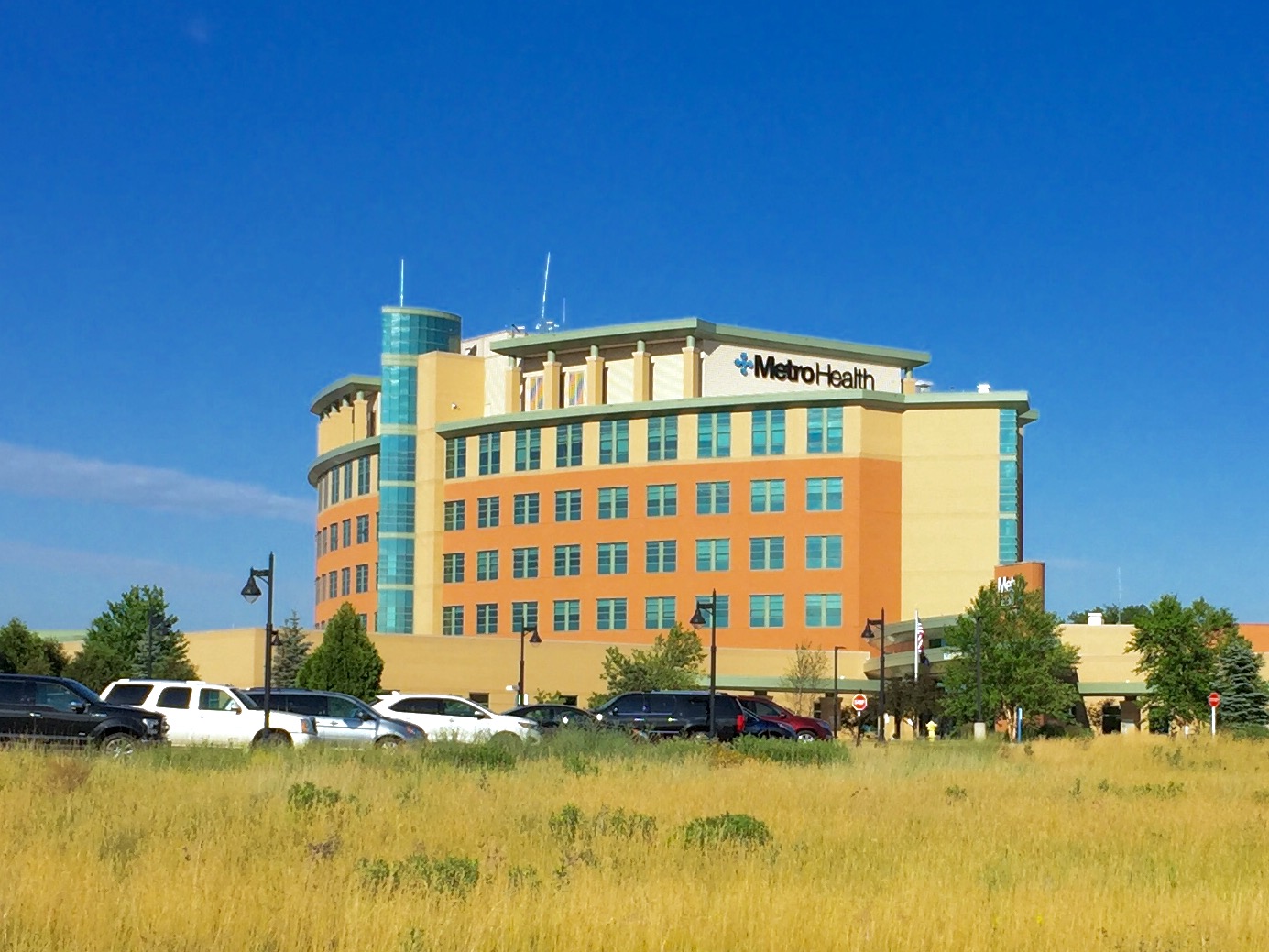
One of the proposed cuts is an 8% reduction in the amount Cuyahoga County provides to the MetroHealth hospital system. These subsidies help provide healthcare to those who might not otherwise be able to afford it; so far this year, the system has spent $275 million on charity care. However, on Oct. 29, MetroHealth eliminated their 100% free charity care for uninsured residents with a new financial policy.
Nonprofit-funded housing services are also at risk. The budget of FrontLine Service, a nonprofit working to prevent homelessness and prevent suicide among adults and children in the county, will be cut, forcing a reduction in the number of staff and clinicians that can respond to mental health crises.
FrontLine Service’s North Point program, a transitional home for working adults and young adults escaping homelessness, will have its budget reduced to zero by 2027 if the budget plan is passed. Several of its other locations have already closed due to funding challenges.
“Eliminating North Point means higher shelter costs, slower progress on the county’s own strategic goals and more individuals unhoused next year,” Corrie Taylor, FrontLine CEO, said.
Another potential victim is Greater Cleveland Works, a nonprofit creating job opportunities for residents working to complete degrees or certificates. The program’s county funding would be halved in 2026 and eliminated completely by 2027.
The Division of Job and Family Services was one of the few programs recommended to receive a slight budget increase. The division administers federal aid programs such as the Supplemental Nutrition Assistance Program (SNAP) and Medicaid. However, new work requirements and the federal government shutdown are currently putting pressure on the SNAP program, forcing the county to cover the administrative gaps needed to process incomplete federal benefits. Almost 100,000 Medicaid recipients in the area who received coverage under the Affordable Care Act will also be subject to new work requirements and renewal checks every six months.
Some of the potential cuts will impact subsidies to CWRU. For example, First Year Cleveland, an organization based at CWRU that seeks to improve birth outcomes and prevent infant mortality, faces a quarter of a million dollars in reductions.
Ronayne maintains that the reductions protect vital services as much as possible while balancing the county’s budget. Agencies impacted by the cuts are able to fight back in budget hearings until early December, when a budget program must be selected.