


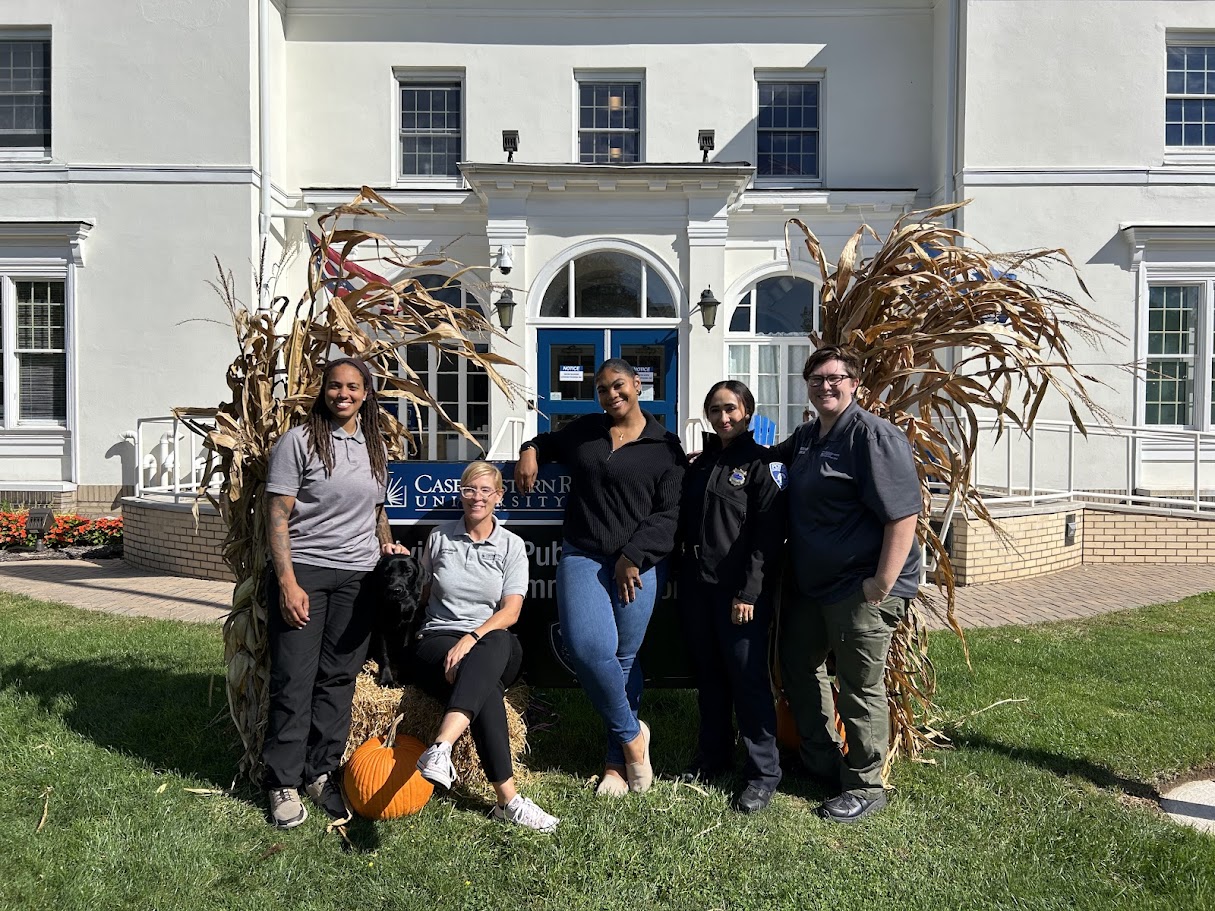
In October 2025, the Case Western Reserve University’s Division of Public Safety announced the creation of a new sexual assault response team (SART) to better aid the CWRU community.
In 2023, the U.S. Department of Justice (DOJ) opened a Title IX investigation into CWRU after students raised concerns about how the university handled reports of sexual harassment, particarly regarding situations connected to CWRU’s Greek Life. According to DOJ’s press release, they found that CWRU employees often failed to report sexual harassment complaints and provide support for those affected.
Following the investigation, CWRU agreed to implement new policies to address sexual harassment issues. This included publicizing Title IX policies and protocols, annual training for all students and staff, creating better and more comprehensive procedures specifically for Greek Life as well as funding the Flora Stone Mather Center for Women, the Greek Life Office and University Health and Counseling services.
With the goal of improving sex discrimination response and providing students with more resources, CWRU developed a number of supportive measures, one being the creation of SART.
“The motivation behind creating the Sexual Assault Response Team was to ensure that every survivor’s first interaction with the Division of Public Safety is grounded in compassion, support and trauma-informed care,” Megan Koeth, executive director of CWRU Division of Public Safety said. “Sexual violence is among the most serious calls our officers respond to. This team represents the beginning of a more coordinated, survivor-centered approach to how our university responds to sexual violence.”
All of the officers in the Division of Public Safety receive trauma-informed training, including foundational training in sexual assault response, to ensure proper response to these situations. However, according to Koeth, the SART takes it one step further. They receive “advanced training on the full response process, including protection orders, crisis-intervention techniques, evidence and crime-scene management” to provide an additional layer of expertise for survivors. The team is composed of dispatchers, clinicians and officers who volunteered to undergo more than 25 hours of specialized training across 12 topics related to sexual assault and domestic violence.
In addition to expanding training, SART established collaborations with the Flora Stone Mather Center for Women, University Health and Counseling Services and the Office of Equity.
Koeth said that the licensed counselors are embedded within their division through a collaboration between University Health and Counseling Services and Public Safety. They “work alongside our officers to provide immediate mental-health support, help coordinate care and ensure survivors are connected with the Office for Equity, the women’s center and other campus resources.”
As SART develops, the Flora Stone Mather Center for Women plans to offer long-term, survivor-centered guidance. According to Emma Getz and Megan Whitmore Sharp, confidential advocates from the Flora Stone Mather Center for Women, “[the team’s] role is to ensure students understand their rights and resources, and to help maintain a trauma-informed, student-focused approach.” The team’s other partners will continue to provide comprehensive support and strengthen their education efforts.
“Establishing a Sexual Assault Response Team is one part of a broader effort to ensure our officers are fully equipped to support individuals in crisis or experiencing acts of violence,” Koeth said. “In the coming months, we will also be launching a new initiative focused on strengthening our response to domestic and dating violence on campus.”