

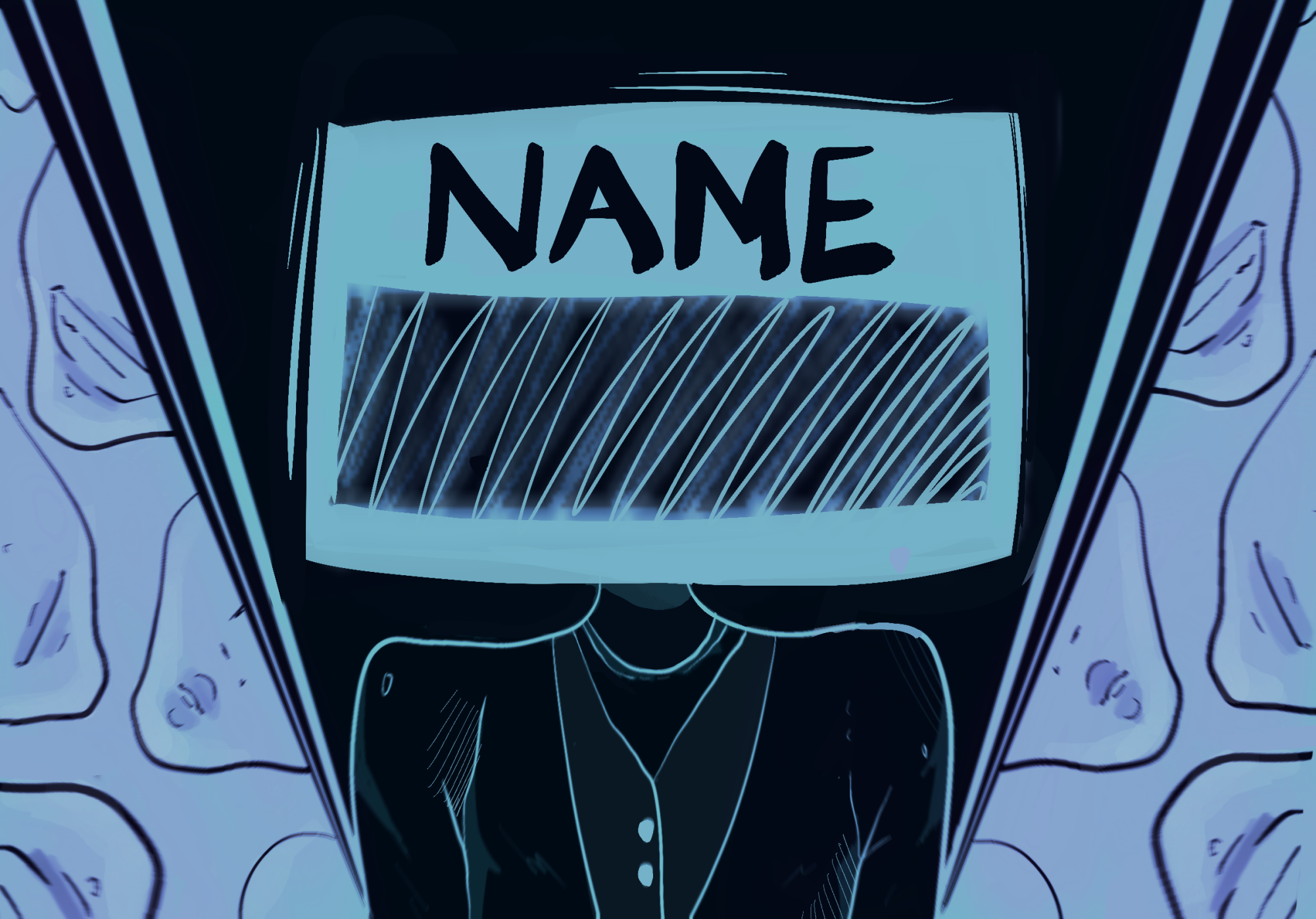
Let me start by saying that I LOVE my name. I truly cannot imagine a better word to encapsulate my identity than “Bhargavi” (pronounced bar-guh-vee). Despite my appreciation for the beauty of my name, it is a fact that it is rather unconventional in a heavily-Westernized society.
As my teachers would call roll on the first day of school, I would immediately know when it was my turn to say “here” through their hesitant attempts to sound out Bhargavi. I am by no means blaming them, and I appreciate their intention to honor my name. What I have found difficult, though, is not being addressed or referred to in future conversations. Not because teachers did not know who I was, but because they were unable to properly say my name. This pattern repeated itself in my sports teams, research labs and even within friend circles. These group settings are already difficult to assimilate into. For me, they were arguably made more isolating, not because I was inadequate in any measure, but because the label of my identity was “unconventional.” At times, I almost believed that the unconventionality of my name was a weakness—a barrier to future conversation and belonging.
The nature of my situation led me to pursue new conversational approaches and, in a sense, skewed my values. I would ask people for their name again, even if I clearly remembered it, just so they could naturally prompt me for my name. Selfishly, this was all done in the hope that they would not only remember my name, but also use it. Components of daily interaction that a majority of society perceives as standard became anomalies for me. People saying my name right—especially on the first try—made me feel very happy and seen. On the other hand, I had no choice but to accept the nicknames I was given in some settings because people were afraid, or simply did not want, to say my “difficult” name—a name with the same number of syllables that a majority of Western names have. One of my mentors would only address me by my last name, if he did at all, because he had a hard time pronouncing Bhargavi. Yet, the other first-year intern was given the privilege of being called by his first name, which happened to be a very conventional Western name. Ironically, I never requested my mentor to call me by my name because I thought it would be seen as unprofessional or an excessive request. Thus, I have observed that individuals with hard-to-pronounce names face different social barriers and constraints.
So, what’s the point? I do not believe that individuals within a Western society will automatically know how to pronounce my name, nor do I expect them to. I would even be happy to repeat my name multiple times. I am simply sharing my perspective and experiences with my “unconventional” name that often go unnoticed.
As students at Case Western Reserve University, we constantly interact with peers from around the world with diverse and beautiful names that represent their cultures and unique identities. I am merely encouraging you to be more mindful in your social interactions with these individuals and to take intentional steps to make them feel included and seen in your shared community. Whether that entails taking a few extra seconds to properly learn your peer’s name or even frequently saying their name in conversation, these actions can create stronger bonds and allow others to feel more appreciated and valued in group settings.
Additionally, for those with unique names, do not settle for less. Names carry deep meaning and beauty, so advocate for the correct pronunciation of your identity in both casual and professional settings. While it is difficult and something I still struggle with, I believe that together we can redefine the current standard and represent ourselves in an authentic manner, one name at a time.