


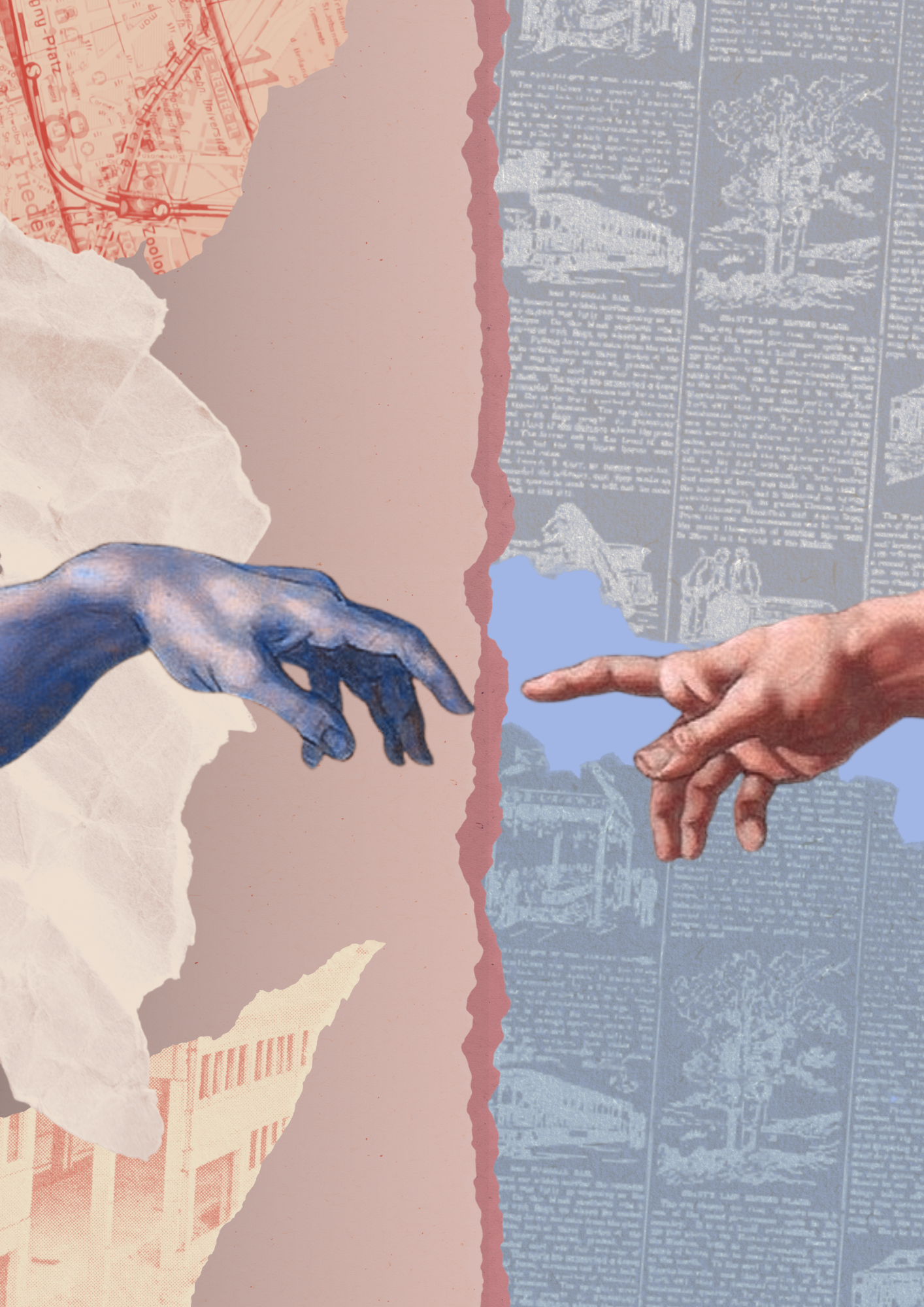
We’ve all been in a position of conflict. Maybe we had a bad day and said something we shouldn’t have. Maybe our personalities didn’t align so well, and the situation was misinterpreted. Maybe we were hurt, and we’re trying not to hurt back.
These situations are as relatable as they are valid. Conflicts are a normal part of life and a consequence of having such a diverse group of individuals on this green-blue planet we call Earth. When we have a group containing many perspectives and many personalities, these perspectives will clash with each other and cause conflict.
Cultural differences are important when we consider this variety of personalities. Beyond a shared language or food is a set of shared values, practices and factors that govern the way we communicate, plan out our day or prioritize. Cultures can be classified as collectivist, prioritizing the values and needs of the group, or individualist, prioritizing the values and needs of the individual.
No one perspective can be considered superior unless it is taken in extremes. Collectivist societies may prioritize the “What will others think?” mentality too much to the point where they sacrifice their happiness or health. The need to respect one’s elders, the fear of backlash from society and the need to constantly conform to the needs of the public forms this extreme. Unnecessary pressure is placed on the individual to fit the mold of the majority, and some individual motivations may be suppressed.
On the other hand, individualism may also be guilty of extremes. In a world where it’s almost always “every man for himself,” everyone tries to climb to the top to make a name for themselves, not caring if they squash someone else. Shortcomings are blamed on other factors and every win is given to oneself. Individual motivations are the main driving force here, and we place pressure on ourselves to do better and push harder. Society turns into isolated, self-servient people who would much rather look out for themselves than for others.
Let me make one thing clear: these extremes that I have highlighted are caricatures of real people. Most of us fit somewhere within this spectrum of priorities, shaped by the world around us. Where we lie on this spectrum changes how we approach conflict and, most importantly, our ways of mitigating it. The simple task of deciding who to blame for the conflict, or why the conflict arose, will vary drastically.
Are all conflicts caused only by these differences? Not quite. There will always be people with predispositions toward others, people who have come up with an idea of how someone else is without exchanging a single word with them. Trying to fix a conflict with no real basis is stressful and unnecessary. Maybe the person is sleep deprived, hungry, stressed or overworked, and the world has not been kind to them. Lashing out or starting a conflict may be the only thing they have control over—a way to project stress onto something else.
More than anything else, it is how we react to conflict that can mitigate—or worsen—future conflicts. React too soon and the whole situation will snowball into something much bigger. Holding a grudge can contribute to the problem, and time to think may only make it worse.
As children, we’ve all played the game of “Telephone.” The first of a long chain of people begins to pass a message down the line until the last person reveals an incoherent phrase that may not even be in the original language. Funnily enough, we don’t need other people to play with us if we have our own minds. Too much dwelling on past conflict with no further action or communication leaves each person to make up their own interpretation of the events—and further interpret that. The cycle continues, leaving one with a completely different and incredibly dramatized version of events. This feeds the growing grudge until it becomes so large that the relationship could be lost. At the very least, feelings toward the other person have changed.
As with most things in life, a happy medium can be reached with a moderate amount of thought, a sort of “Goldilocks zone,” which leaves time to process the conflict (and not dwell on it), but also to respond at an appropriate time. An attempt to communicate must be made and any forming grudges must be held back, replaced with an open mind and a willingness to learn.
Humans are social creatures, and we thrive upon the connections we make throughout our lives. As we learn about the different people around us and spend more time with them, conflict is likely. However, when a conflict is managed appropriately, we learn so much more about the person than we could have ever found out without it. If we continue to lose relationships due to conflicts and grudges, we lose the opportunity to build these strong bonds, ones that may last a lifetime.