

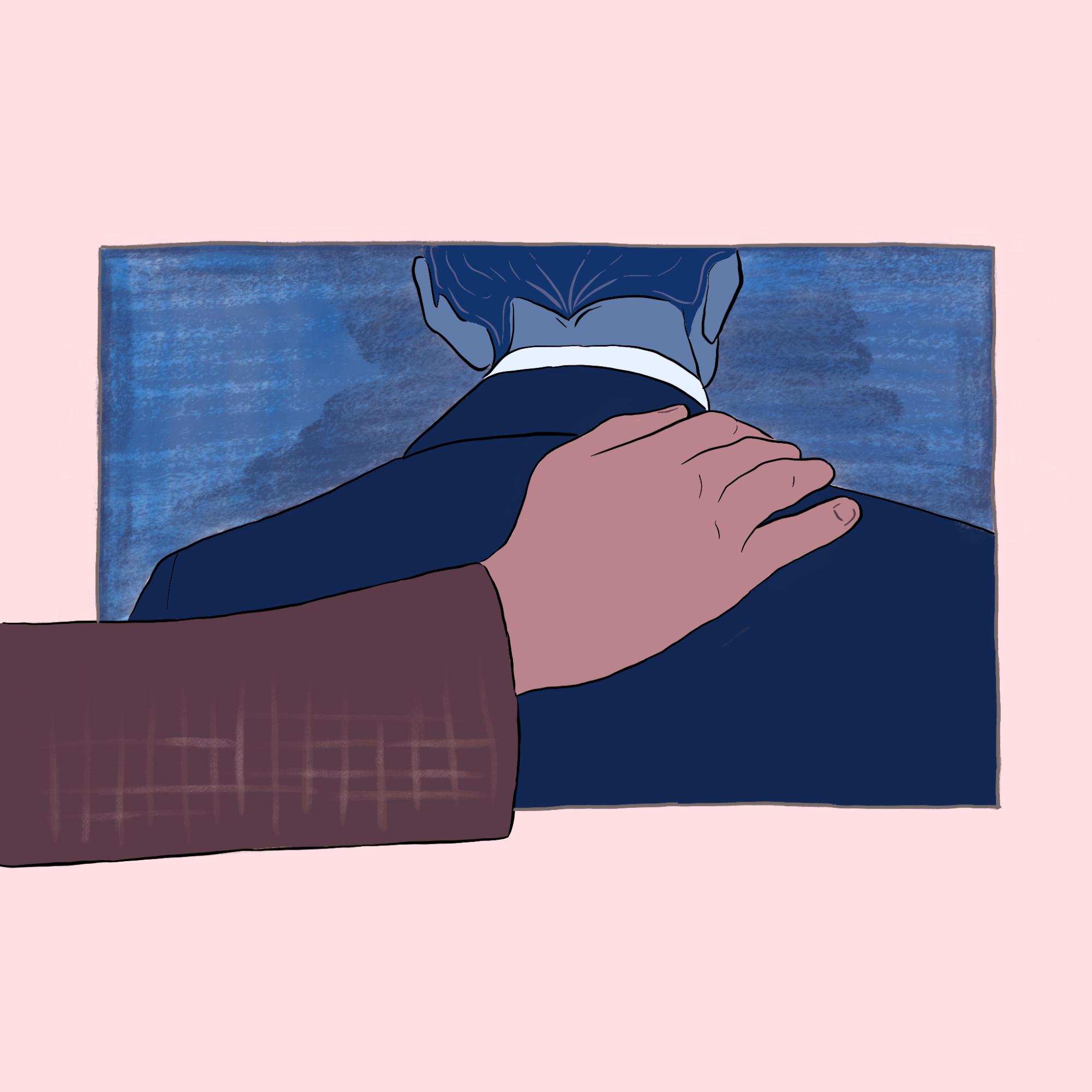
The things that have left the most lasting pain in my time in academia are the relationships with intimate users who took advantage of goodwill. I’ve known philosophy professors, artists, even a psychotherapist who used others and me to advance their creative or intellectual work and professional standing after periods of intense ingratiation and apparent bonding. What is confusing about this category of folks is that they use on the inside of intensely open, moral or beautiful ideas, discussions, inquiries or pursuits. You are all bound up with the meaning of something that is broadly speaking idealistic, yet underneath it, you are being used. The phenomenology of the experiences involves figuring that out later, and the result is nearly always devastating for a time.
My question is how to move on from the use. Obviously, one should learn from it, know now that people like that are out there hiding in plain sight behind the beautiful things, and defend against their use so as to be prudent going forward. But there is no closure with users in my experience. The healing is hard because the sense of being exploited lingers on the inside of projects that were intensely meaningful to one’s humanistic pursuits. How can healing from the betrayal of a heartfelt, philosophical relation occur without closure?
My answer is weird, and I borrow its reasoning from Jean-Luc Marion’s phenomenology of relating. The answer, I feel, is to “love first.” Marion uses this expression to get out of the impossible situation of misunderstanding love as a reciprocal act that depends on awaiting recognition or giving from another.
His view of love is, of course, debatable, although I find that I am repeatedly convinced by it. Love is essentially giving. Insofar as we legitimately expect good treatment or recognition from others in various ways, such as basic respect for our freedom or awareness of our personhood, this is not to love another but to treat them as people. Seeing them as people, however, comes first, and in order to do that, we must resolutely insist on their being apprehended in freedom. To see another as free, in turn, involves letting them make their own decisions. Love is the giving of our unconditional support for that basic appearance of them as who and how they choose to be. Any moral expectation, say, we have of them to reciprocal behavior or recognition of ourselves, or others, depends on their being seen lovingly first, as free. To expect something from someone, then, is not precisely love but something that, when appropriate, depends on love. Legitimate expectation is something depending on the other’s prior freedom from us and for themselves. Morality depends on love, and love is nothing more than the unconditional development in intensity and extent of involvement. Much attachment is not loving, moreover. The way to deal with an intimate user of heartfelt, philosophical relations is to love them. This is to be toward them for their own freedom—to want it for them without condition, to see them accordingly and to keep a space in oneself right where the hurt is: for their freedom. “I hope that so-and-so (the user) becomes free to be.”
The user is neither free nor loving in many of their relations, of course. This is their tragedy, the more so they adorn themselves with lights. They have used others. By loving them, I do not condone their vices but carry a possibility for them that they need, although they are currently disowning it and existing in want. They need to be free so that they can stop using others. They need to be able to love on their own consistently across their relations. Until this need is filled, they exist as a shadowy person, and all their relations are distorted in turn. It’s sad, no matter how much glory awaits them in the unhealthy world of status.
By loving first, I do not get closure; I get more openness. I let go of the craving for reconciliation and accountability that is not forthcoming as much as we refuse to engage the world narcissistically. You can’t change people, but you can love them. Maybe someday they will get their act together. I doubt it, given the extensive convolution of their dishonesty and opportunism, but I can still live toward them with a kind of solution at the level of personal freedom.