

As much as I would like to re-enroll into my high school’s freshman sports teams and wreak havoc amongst the fourteen year olds, there is something in my consciousness that tells me that isn’t exactly fair. But what if the NCAA disagreed with my consciousness and told me to go for it?
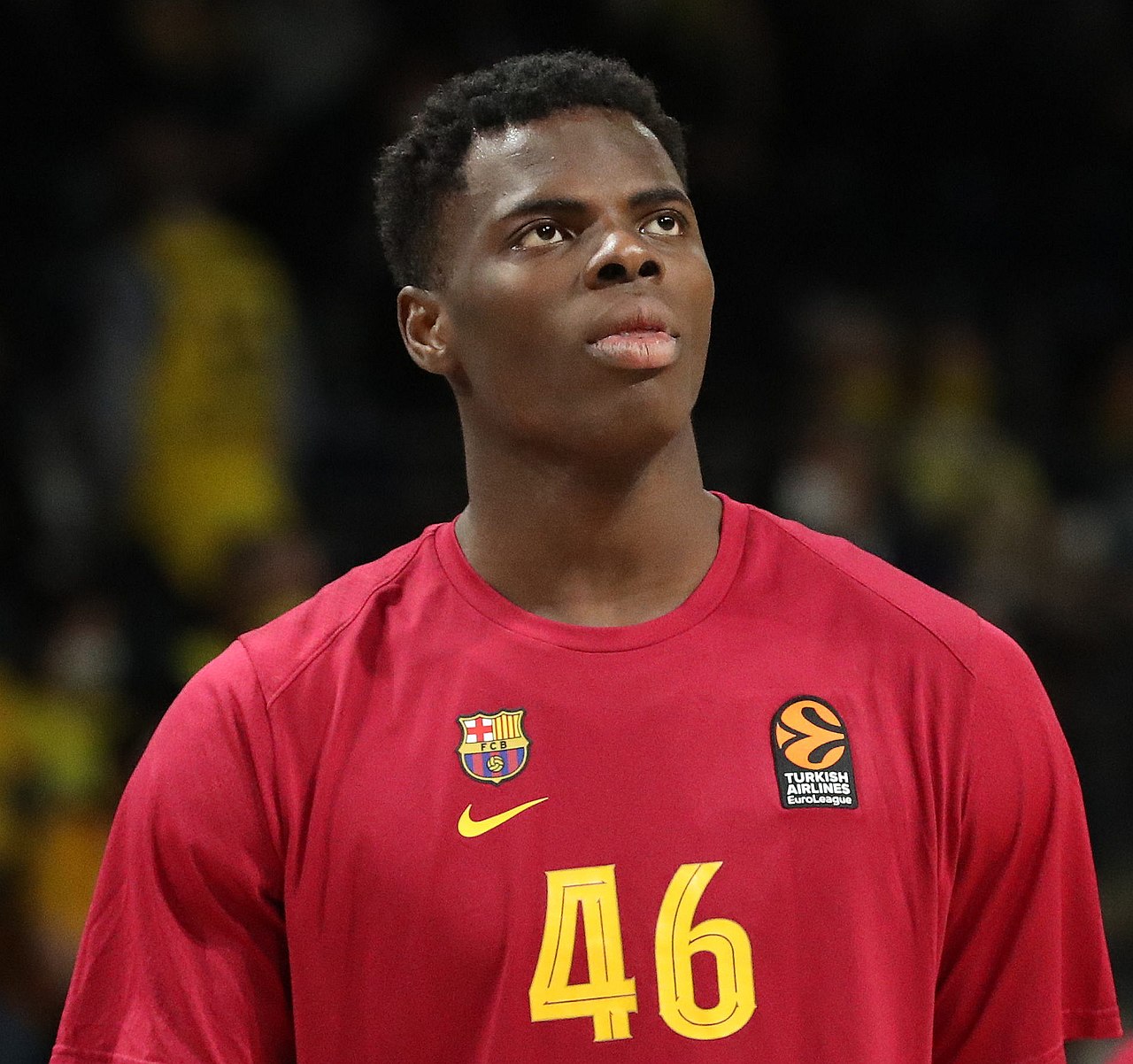
James Nnaji is a 7-foot 21 year old Nigerian basketball player who started playing EuroLeague ball in 2019. He played well enough to garner the attention of NBA scouts, and in 2023 he was drafted 31st overall by the Detroit Pistons. He’s also now a center for Baylor University. In short, he is a professional playing collegiately.
There has been a lot of hate directed at Nnaji ever since this decision; he was booed extensively during his Baylor debut. But I don’t think that the boos should be directed at Nnaji; the problem is with the NCAA’s eligibility system. The NCAA allows this because Nnaji never actually played an NBA game, was never previously enrolled in college and he is starting within a five year window of what would have been his high school graduation. But it is clear that the rules are broken. With this logic, if Victor Wembenyama didn’t want to play for the San Antonio Spurs after getting drafted, he could have taken his talents to Duke University if he so desired.
This NCAA rule has been exploited before. Nastja Claessens is a current Kansas State University player that was drafted by the WNBA 30th overall in 2024. Back on the men’s side, there has been an influx of twenty-two year old European pros—Thijs De Ridder, Ilias Kamardine and Luka Bogavac are all genuine impact players for March Madness-bound teams. The NCAA has a firm rule that once you play in the NBA, college hoops is over. But in a game where maturity is everything, you can’t let a twenty-one year old semi-pro EuroLeague in here and say that he is a first-year alongside everybody else. Think about some of the first-years you know here at Case Western Reserve University. And then think about 7-foot James Nnaji. There’s a difference there.
This NCAA eligibility rule has also been exploited in my own sport of choice, cross country. A good representative of the dysfunction of the NCAA’s eligibility is Solomon Kipchoge. Kipchoge is a twenty-nine year old second-year whose half marathon time would place him second all time on the American list. Kipchoge is not just a one-off example. This past year, 38 of the top 50 finishers at the NCAA championships were foreign talent. Being out-of-country in cross country is usually associated with older age, and you can usually tell just by looking at them. The one non-foreigner dominated team that put up a fight, Brigham Young University, sends most of their kids on two year missions, meaning that they are twenty by the time they are first-years.
What happened to the kids? College’s first priority was intended to be academics, preparing people for the next fifty years of their life instead of just focusing on their four years at school. This shift with name, image and likeness (NIL) money and overseas recruiting is ruining kids’ lives. The standard to go DI for sports has increased, while it seems DIII has become the DI of the past. For these overaged student-athletes, they are prioritizing the wrong things. Many athletes are raised on the mindset of “ball is life,” but there comes a point where you have to start preparing for a life outside of your sport. The odds of going pro out of college are already obnoxiously low; the odds of making money from the sport are even lower. As of late, more and more schools are acting like professional teams. We are glorifying this system of athlete-students, even though that mindset won’t fly out of college.
Stories like this make me appreciate what we have going on here at CWRU as a student-athlete. With the influence of NIL money and the transfer portal, DI athletics has seemingly changed forever. DIII athletics, on the other hand, has seemed to stay in the perfect medium. As an athlete here, I feel like we are treated how we should be: students that want to keep playing a sport we love. For most of the time, sports isn’t the number one priority. If you have a game and a test on the same day, you better believe you’ll be taking that test on the bus. This system simultaneously prioritizes the primary purpose of college—academics—while providing ample opportunities for athletes to pursue their passions. That’s how it should be.
Luckily, Nnaji only had five points, and it appears that there won’t be too much of a shift that happens in the NCAA because of his presence. However, Nnaji might be the first of many professional athletes to pursue collegiate hoops, and who knows what the future holds for NCAA athletics. To preserve the dignity of the sport and the school system, the NCAA must step up and tighten up their eligibility rules to prevent this from getting out of hand.